In July, I had the opportunity to take ReefLitter from the reefs of Okinawa to one of the world’s largest gatherings of coral reef researchers: the International Coral Reef Symposium (ICRS) in Auckland, Aotearoa New Zealand. This was my first time visiting New Zealand, and it was an exciting experience both personally and scientifically. ICRS brought together researchers, conservationists, students, policymakers and reef practitioners from around the world, all working in different ways to understand and protect coral reefs.
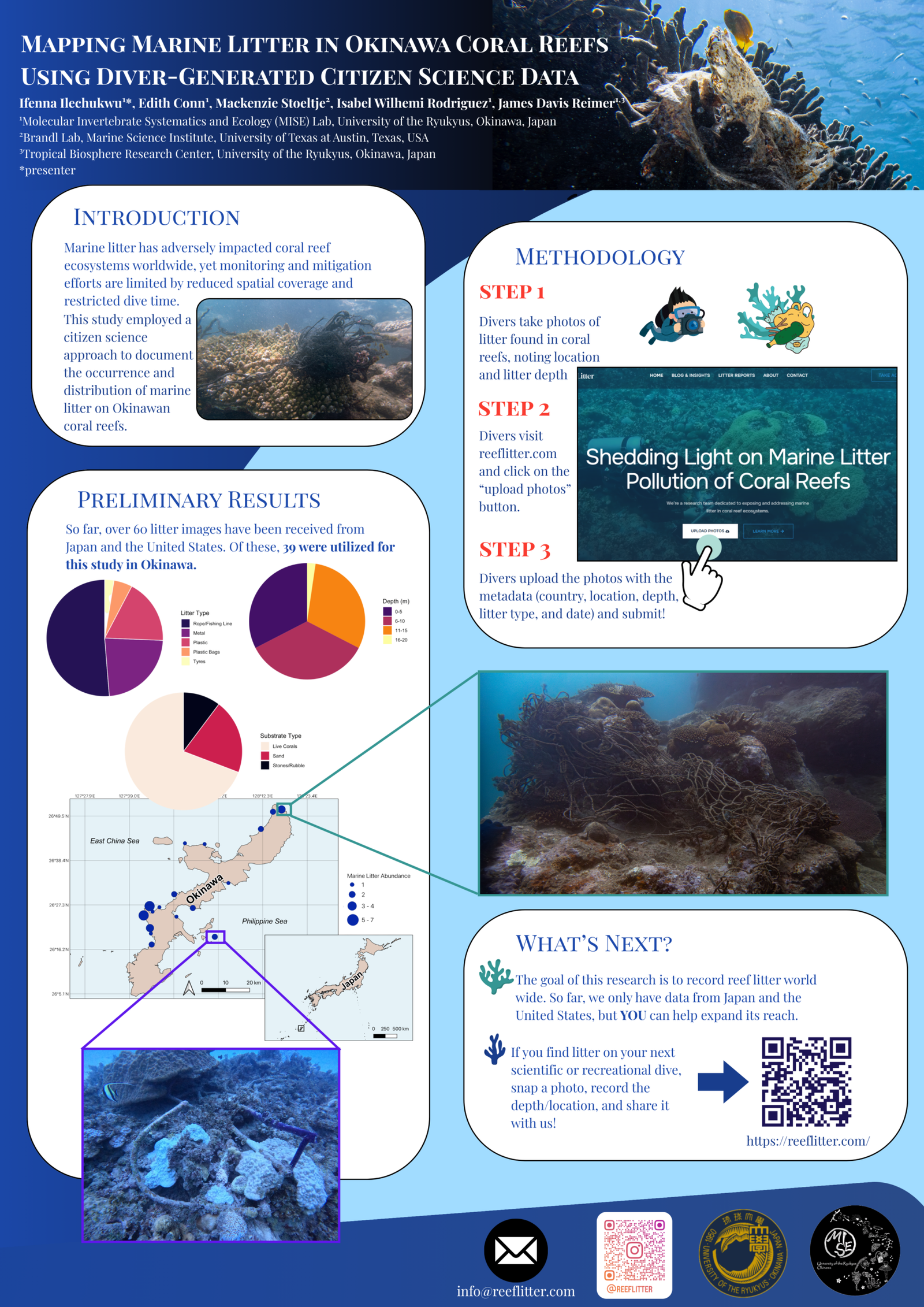
It was a great opportunity for me to share some of what we have been building through ReefLitter. I presented a poster showcasing some of the work we have been doing with ReefLitter and the observations contributed by divers. The project is built around a simple idea: divers are already out there exploring coral reefs and seeing marine litter underwater. By documenting what they see and sharing those observations on ReefLitter, we can begin to build a much better picture of the problem.
The presentation introduced our work using diver-generated observations to document marine litter on Okinawa’s coral reefs.
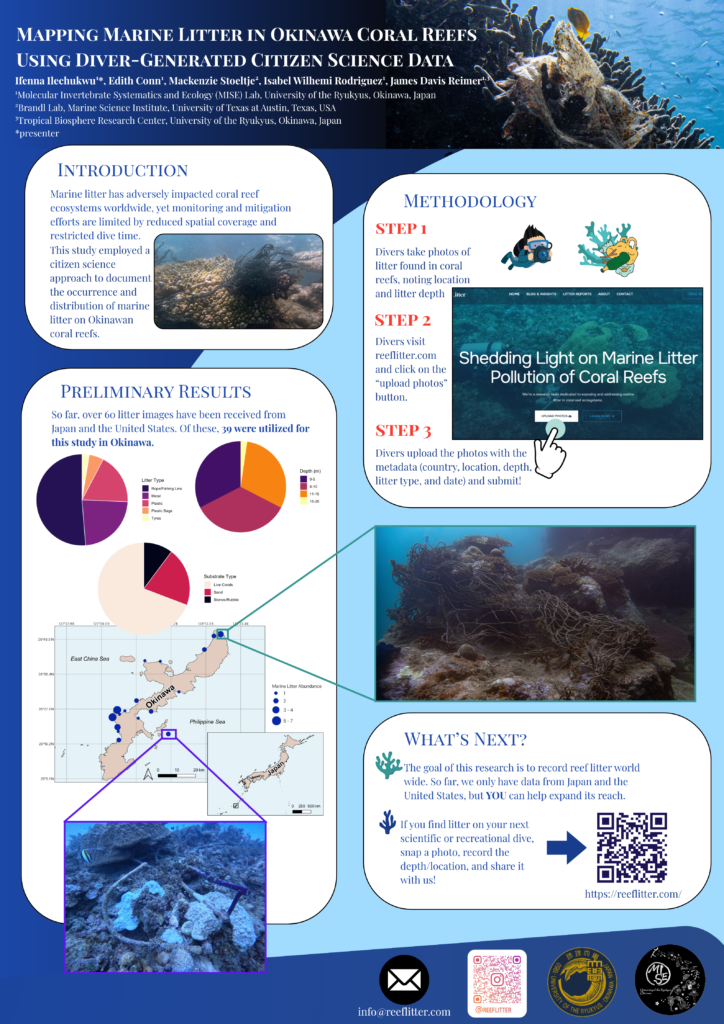
ReefLitter poster presented at the International Coral Reef Symposium 2026 in AucklandOur presentation highlighted observations of litter entangled with corals, drawing attention to how marine litter can interact directly with coral reef organisms and remain within the reef environment.
Meeting a growing community
One of the most rewarding parts of ICRS was meeting other young and early-career researchers working on microplastics, plastic pollution, and other aspects of marine pollution.
It was encouraging to meet so many people at different stages of their careers asking similar questions and approaching coral reef protection and conservation from different perspectives. These conversations reminded me that ReefLitter is part of a much bigger global effort to understand the impacts of human activities on coral reef ecosystems.
I met researchers who were interested in the ReefLitter project and were happy to contribute their own reef-litter images to our platform. This presents an opportunity for ReefLitter to move beyond observations from Okinawa and gradually build a much broader picture of marine litter on coral reefs around the world.
For me, this was one of the clearest signs of the potential of citizen science. A diver in one part of the world may see something underwater that researchers thousands of kilometres away would otherwise never have an opportunity to document.
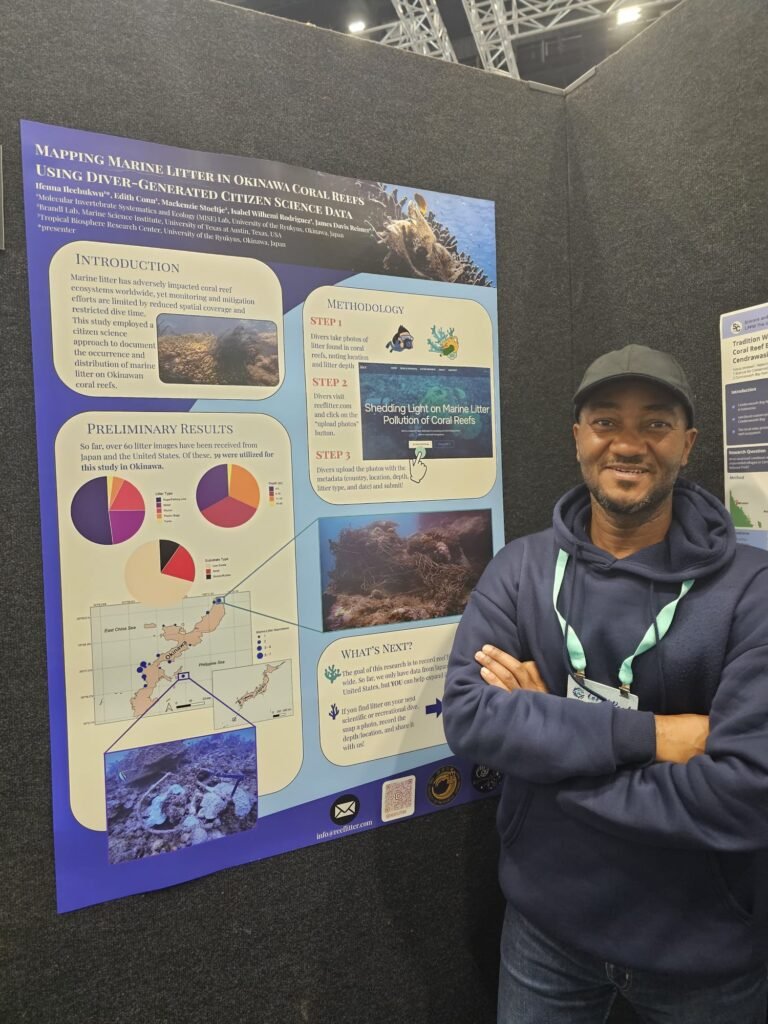
Sharing ReefLitter observations from Okinawa with researchers at ICRS 2026
Inspiration beyond marine litter
ICRS was also a reminder of how quickly coral reef research is evolving. I was particularly inspired by researchers who are incorporating artificial intelligence and other new technologies into coral reef research. Their success with AI, imagery, and large datasets is a pointer to what could eventually be possible with ReefLitter.
ReefLitter is still growing, but I hope that one day the project can reach that level; utilizing the growing collection of diver-generated images together with new technologies to automatically identify, classify, and map marine litter across coral reefs around the world.
Magic Outside the Conference Walls
One of the highlights of my visit was a trip to Hobbiton, the iconic setting of “The Lord of the Rings”. As my first visit to New Zealand, it was a memorable experience and a great opportunity to explore a different side of the country beyond the conference venue in Auckland.
It was also a reminder that international conferences like ICRS present opportunities to travel, meet people, exchange ideas, discover new places, and return home with new perspectives.
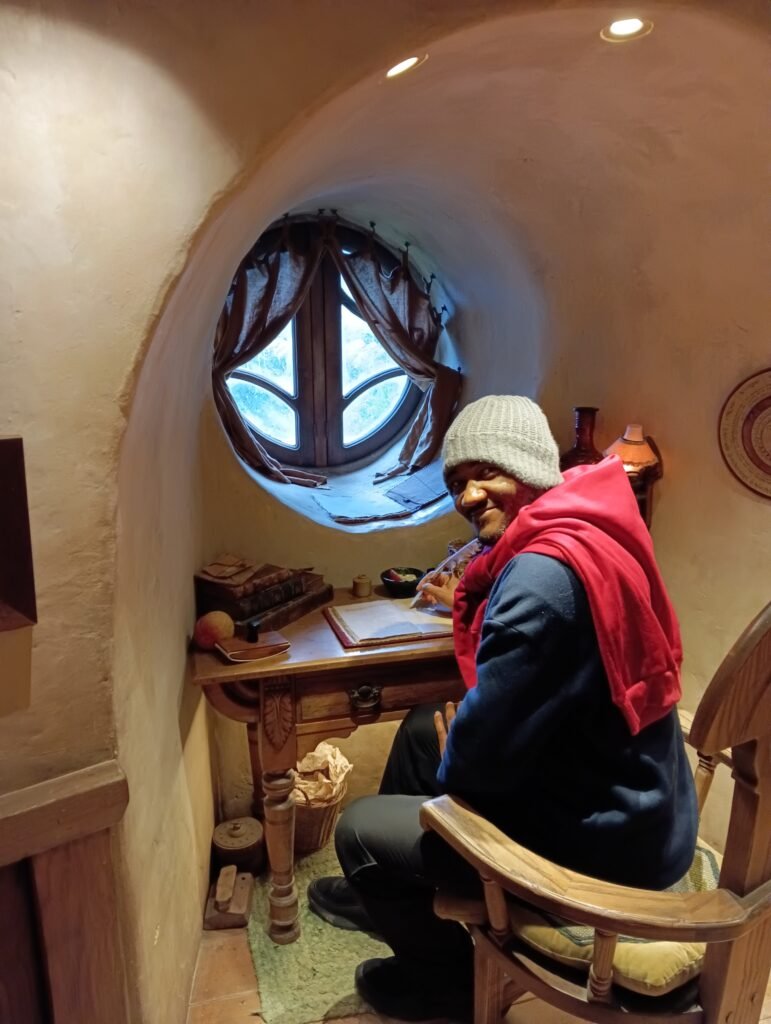
A little Hobbiton magic outside the conference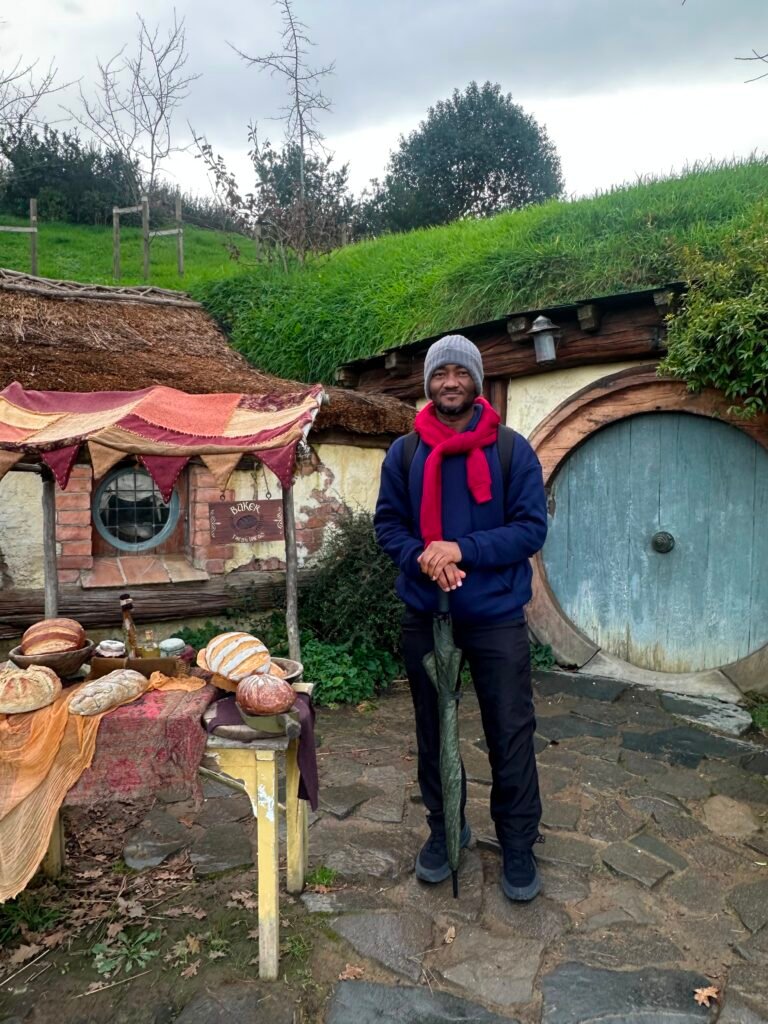
Exploring Hobbiton during my first visit to New ZealandThe future of ReefLitter
Coming back to Okinawa, I feel even more motivated about the future of ReefLitter.
Presenting our work from Okinawa at ICRS showed that local observations made by divers can contribute to conversations and interventions at the international level. Meeting divers who are willing to share their own images also gave us the possibility of expanding the project beyond Okinawa.
Most importantly, ICRS reminded me that solving the marine litter problem will require collaboration and community: researchers with diverse expertise, divers contributing observations from reefs around the world, and emerging technologies, all connected through citizen science.
ReefLitter is only one small part of that effort, but I hope it can become a platform that connects divers and researchers across countries and helps us better understand the impacts of litter on our reefs.
From Okinawa to Auckland, this was an exciting step for ReefLitter. I look forward to many steps ahead.