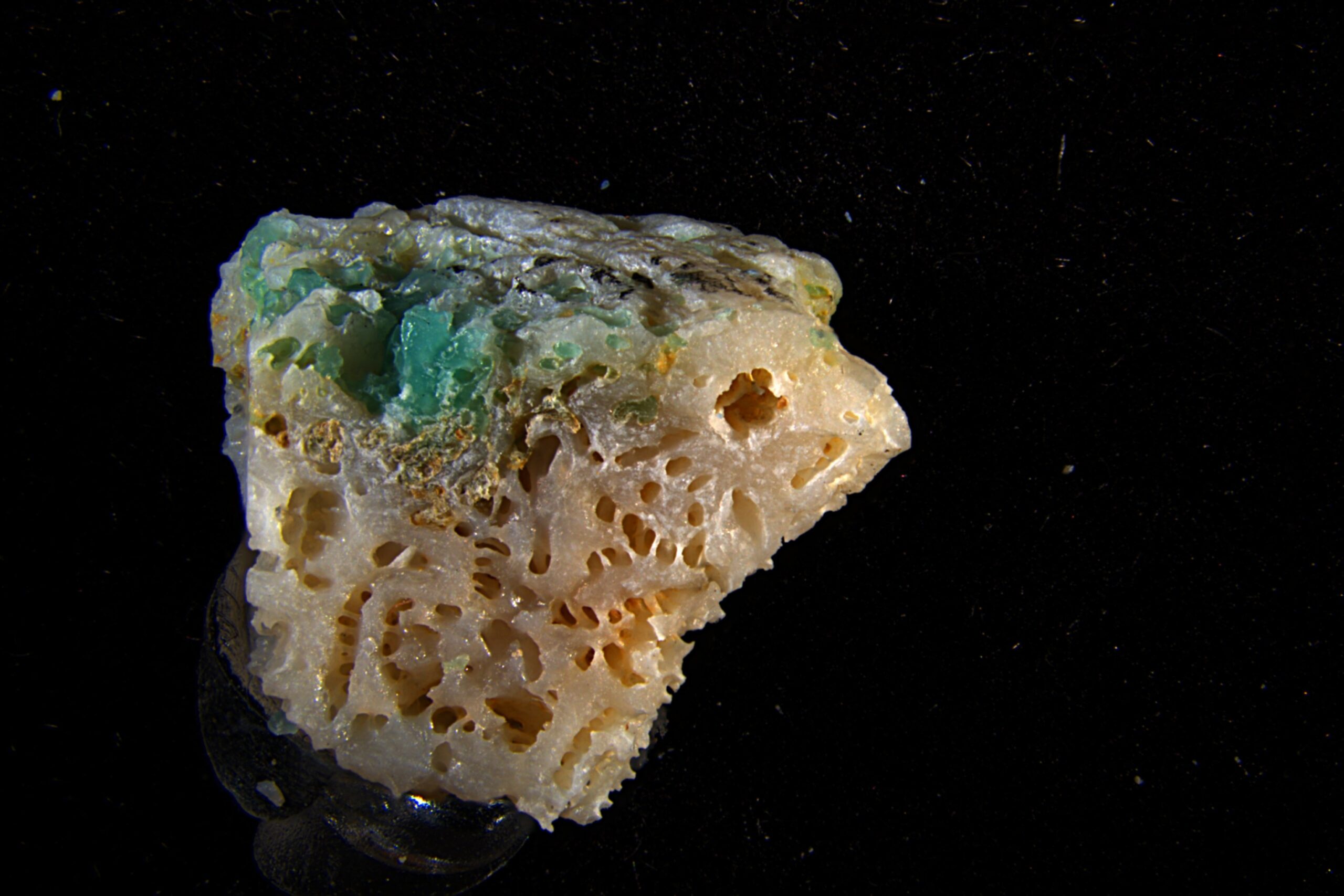
When we think of marine plastic pollution, we usually picture bottles, fishing nets, or plastic fragments washed ashore by the waves. But not all plastic pollution is immediately recognizable. Some plastics have been melted or burned before or after entering our marine ecosystems, sometimes, transforming into rock-like objects known as pyroplastics. These unusual materials can easily blend into their surroundings, making them difficult to detect during routine beach surveys.
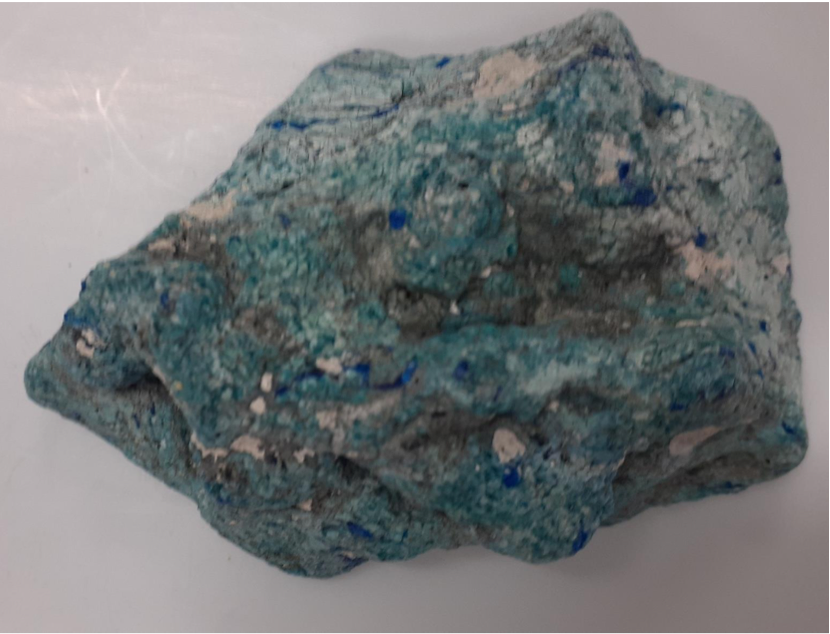
Unlike familiar plastic bottles, bags, or fishing gear, pyroplastics often resemble natural rocks due to discolouration from burning, making them difficult to recognise during routine beach surveys. Their ability to blend into the landscape means this emerging form of marine pollution may be far more widespread than previously realised.
Discovering pyroplastics on Aka Island
Our recent field study investigated the occurrence of pyroplastics on Aka Island, part of the Kerama Islands, a marine protected area renowned for its exceptional coral reefs and rich marine biodiversity. Although these islands are protected, they remain vulnerable to marine debris transported by ocean currents from distant sources.
During surveys of Agu, Maehama, Hizushi, and Nishibama beaches, we documented six pyroplastic fragments across three of the four study sites. While this number may appear small, the discovery is significant because pyroplastics have rarely been reported from subtropical coral reef environments or marine protected areas.
Their occurrence shows that even the most carefully protected reef ecosystems are not immune to emerging forms of plastic pollution.
What are pyroplastics?
Pyroplastics form when plastic is exposed to high temperatures, causing it to melt and deform before cooling into irregular shapes. They can originate from activities such as open burning of plastic waste, beach bonfires, or wildfires. Once transported into rivers or the ocean, these altered plastics weather alongside natural rocks and coral fragments.
To determine what our samples were made of, we analysed each fragment using Raman spectroscopy. Every sample was identified as polyethylene, one of the world’s most widely used plastics.
This finding illustrates how common consumer plastics can persist in the environment, transforming into new and often overlooked forms rather than disappearing.
When plastic becomes part of the reef
Among our discoveries, one finding stood out.
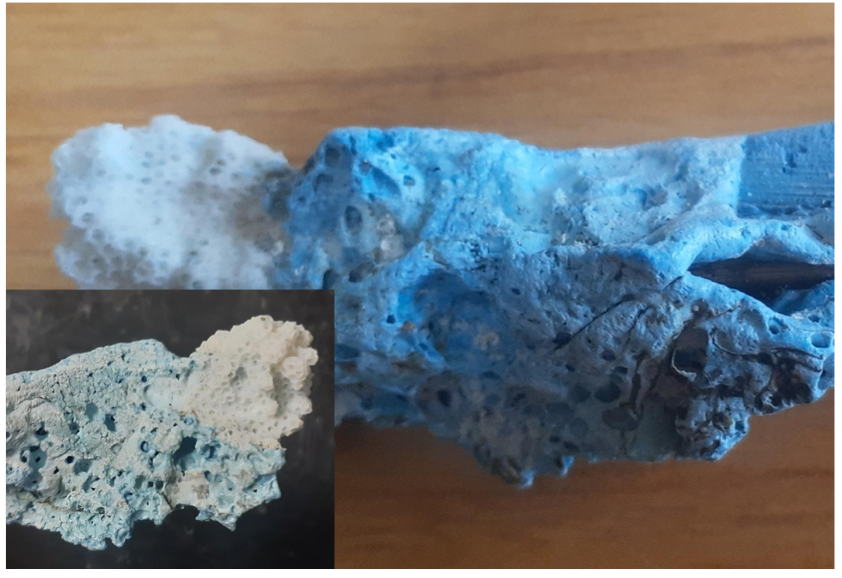
A pyroplastic fragment had become encrusted by a juvenile scleractinian (hard) coral, demonstrating that reef-building corals can colonise these artificial substrates. At first glance, this may appear to be an encouraging example of nature adapting to pollution. However, it also highlights the remarkable persistence of plastic within coral reef ecosystems.
Rather than remaining as debris on the beach, plastic can become physically incorporated into living reef habitats.
This observation raises important questions. What happens when plastics become embedded within reef structures? Could they influence reef development, biodiversity, or the long-term fate of plastic pollution in the marine environment? These questions remain largely unanswered, but they demonstrate how human-made materials are becoming increasingly intertwined with natural ecosystems.
A hidden form of marine litter
Pyroplastics are just one example of the growing diversity of transformed plastic pollutants now being recognised by scientists. Other emerging forms include plastiglomerates, plasticrusts, and plastitars, etc. These are plastic materials created through physical, chemical, or biological processes that alter the appearance of conventional plastics and may be generally regarded as plastic variants.
Many existing beach monitoring studies and guidelines focus on easily recognisable items such as bottles, packaging, fishing gear, and microplastics. Yet transformed materials like pyroplastics often go unnoticed because they resemble natural rocks or coral rubble.
Expanding marine litter surveys to include these overlooked plastic variants would provide a more complete understanding of the true extent of plastic pollution and improve long-term environmental monitoring.
Why it matters for coral reef conservation
Marine protected areas play a vital role in conserving coral reefs and the biodiversity they support. However, protection alone cannot prevent plastic debris carried by ocean currents from reaching even the most remote coastlines.
Documenting the occurrence of pyroplastics establishes valuable baseline information that will help researchers monitor changes over time and better understand how these materials interact with sensitive reef ecosystems.
The discovery of a coral growing on a pyroplastic fragment serves as a powerful reminder that plastic pollution is not simply accumulating in the ocean; it is becoming part of the habitats we are trying to protect.
Looking ahead
As scientists continue to investigate how plastics weather, transform, and interact with marine life, one message is becoming increasingly clear: plastic pollution rarely disappears. Instead, it changes form, persists in the environment, and can become integrated into marine ecosystems in unexpected ways.
Recognising pyroplastics during beach surveys may seem like a small step, but it is an important one. By identifying these new forms of marine litter, we can build a more complete picture of plastic pollution in coral reef ecosystems and develop more effective conservation and management strategies for the future.
About the research
This article is based on our peer-reviewed publication:
Occurrence and characterization of pyroplastics on Aka Island, Okinawa, Japan
Regional Studies in Marine Science (2026)
https://doi.org/10.1016/j.rsma.2026.105153