ReefLitter.com Reaches 50 Documented Litter

ReefLitter.com Reaches 50 Documented Litter

In June 2025, we launched reeflitter.com to document marine litter in and around the coral reefs of Okinawa. Shortly after, we expanded our scope to include litter observations from coral reefs around the world.

To date, we have recorded more than 50 litter items across multiple reef sites around Okinawa Island, all documented on our website.

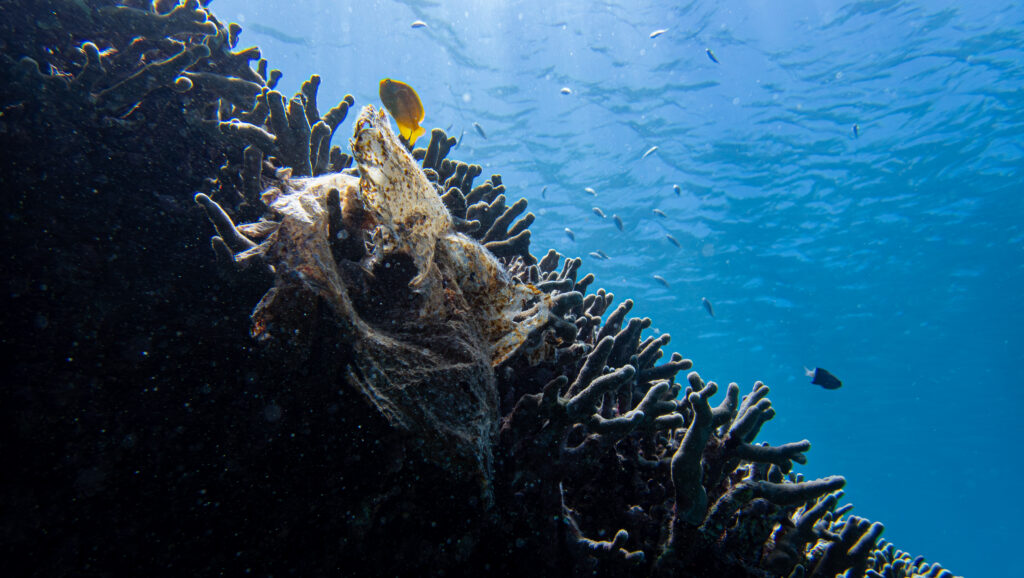
As expected, the majority of recorded items are plastic, often found entangled within reef structures or resting on reef sands and macroalgae. These observations highlight the persistent and growing impact of plastic pollution on coral reef ecosystems.
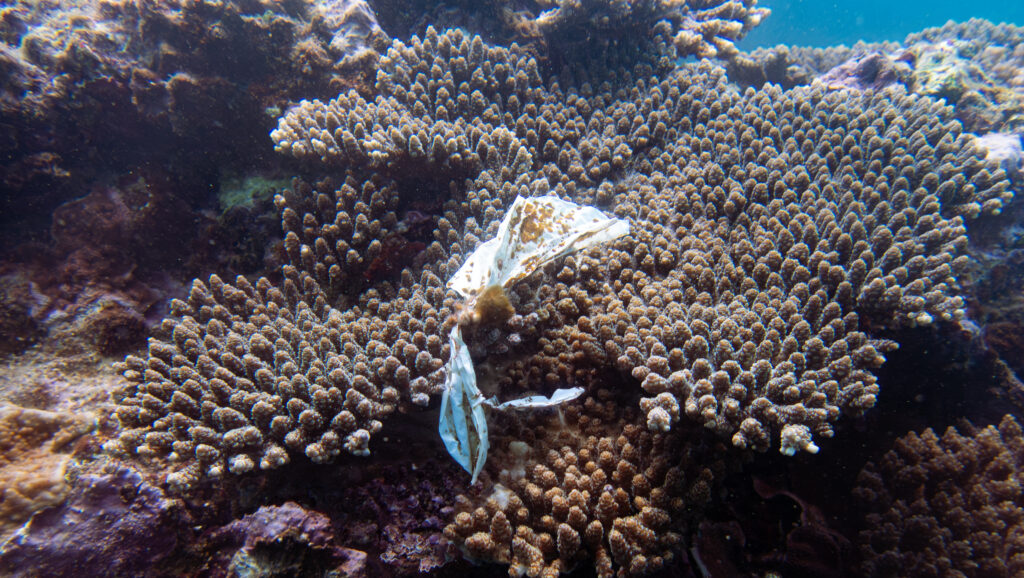
Litter resting on a hard coral

Our goal is to support coral reef research through systematic documentation, collaborate with divers and researchers in Okinawa and globally, and contribute to mitigation efforts aimed at protecting reefs and reducing the impact of marine litter.

We invite you to visit our website and Instagram page. We welcome submissions of reef litter images along with relevant metadata.

Share your dives with us. Together, we can make reef impacts visible.
Table of Contents

Continue Reading

From Okinawa to Auckland: Taking ReefLitter to ICRS 2026

From Okinawa to Auckland: Taking ReefLitter to ICRS 2026

For me, this was one of the clearest signs of the potential of citizen science. A diver in one part of the world may see something underwater that researchers thousands…

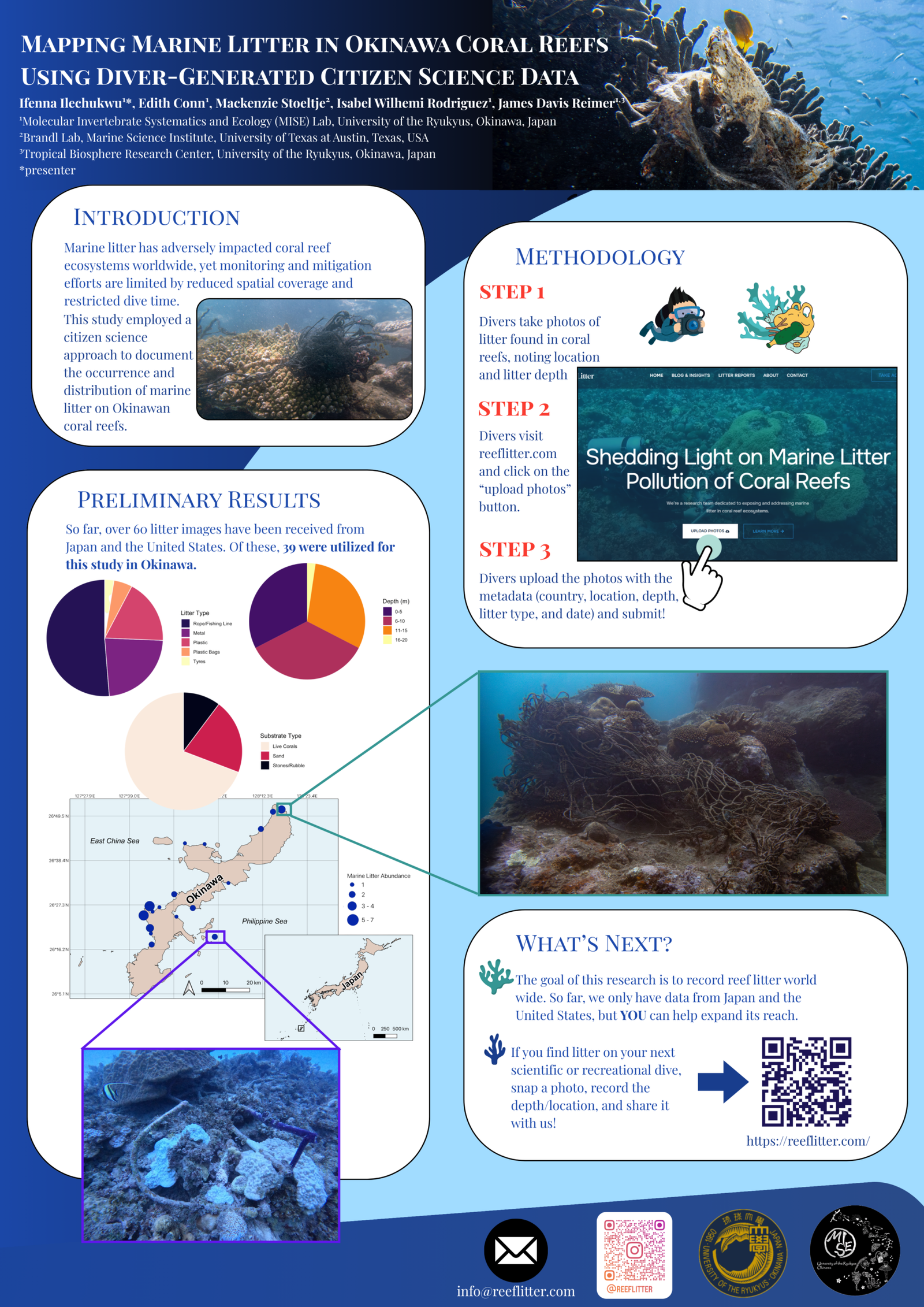
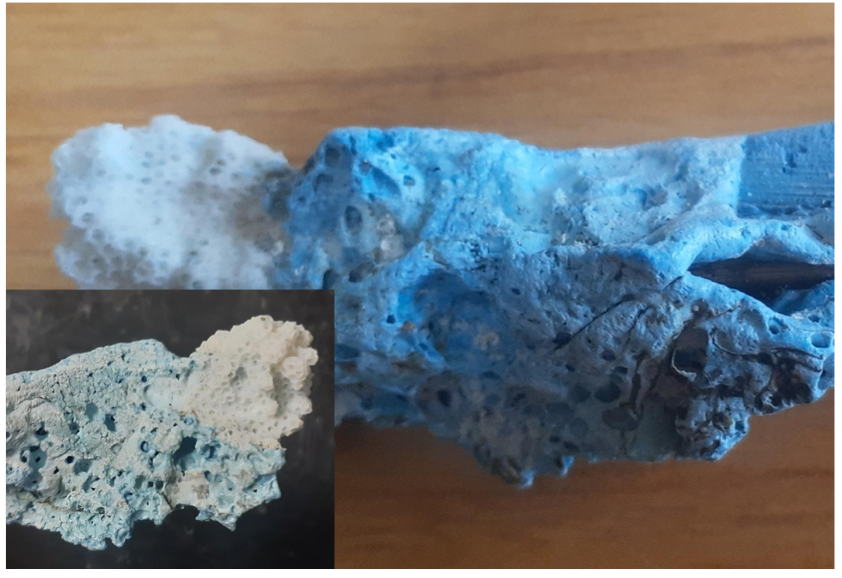
Hidden in Plain Sight: Pyroplastics on Okinawa’s Coral Reef Beaches

Hidden in Plain Sight: Pyroplastics on Okinawa’s Coral Reef Beaches

When we think of marine plastic pollution, we usually picture bottles, fishing nets, or plastic fragments washed ashore by the waves. But not all plastic pollution is immediately recognizable. Some…

ReefLitter.com Reaches 50 Documented Litter

ReefLitter.com Reaches 50 Documented Litter

In June 2025, we launched reeflitter.com to document marine litter in and around the coral reefs of Okinawa. Shortly after, we expanded our scope to include litter observations from coral…