Thursday, 5th June was marked globally as World Environment Day and the theme was “Beat Plastic Pollution”. The growing demand and use of plastic products have overwhelmed our environment, resulting in a crisis of plastic waste.
As of 2023, global plastic production exceeded [400 million metric tons]. The inability to effectively manage plastic waste, particularly single-use plastics has had disastrous consequences for ecosystems around the world.
Plastic pollution presents a wide range of environmental challenges. It clogs waterways, leading to flooding; it is ingested by animals, including tiny particles known as microplastics, posing threats to their health. Aquatic organisms are smothered, and harmful chemicals from plastics leach into the environment. Our ecosystems are constantly under threat, which is why efforts like the [UN-led Global Plastics Treaty] are vital for coordinated global action.
It’s no surprise, then, that this year’s [World Environment Day theme] spotlighted plastic pollution.
So, what did we do on 5th June?
We cleaned a reef.
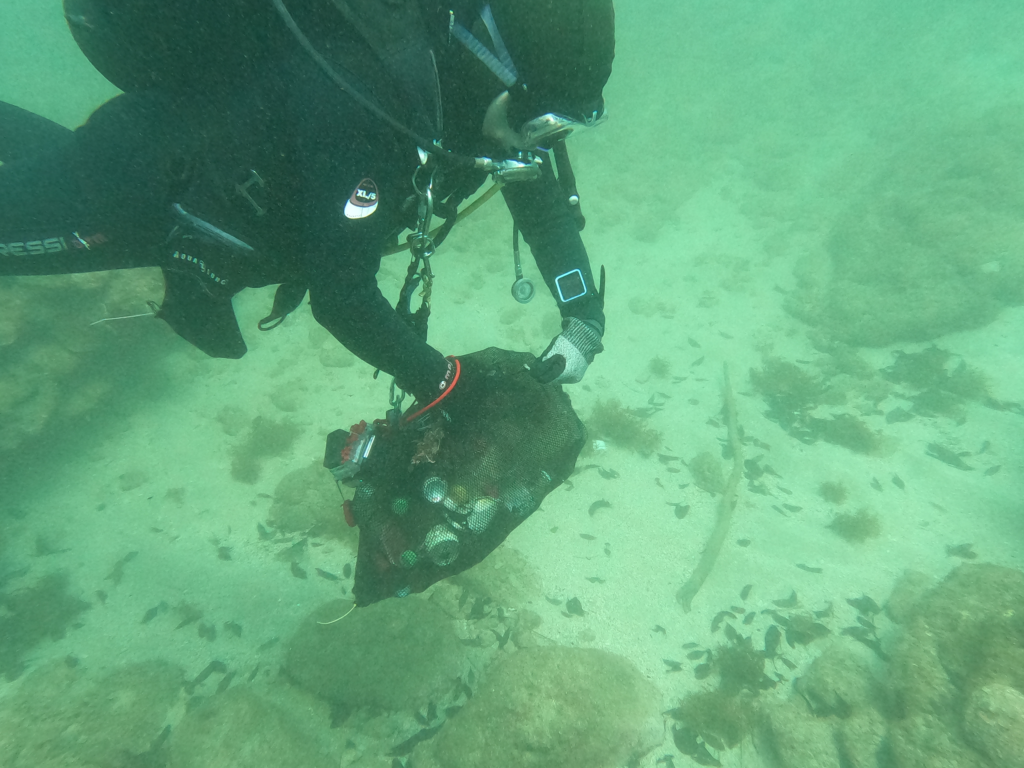
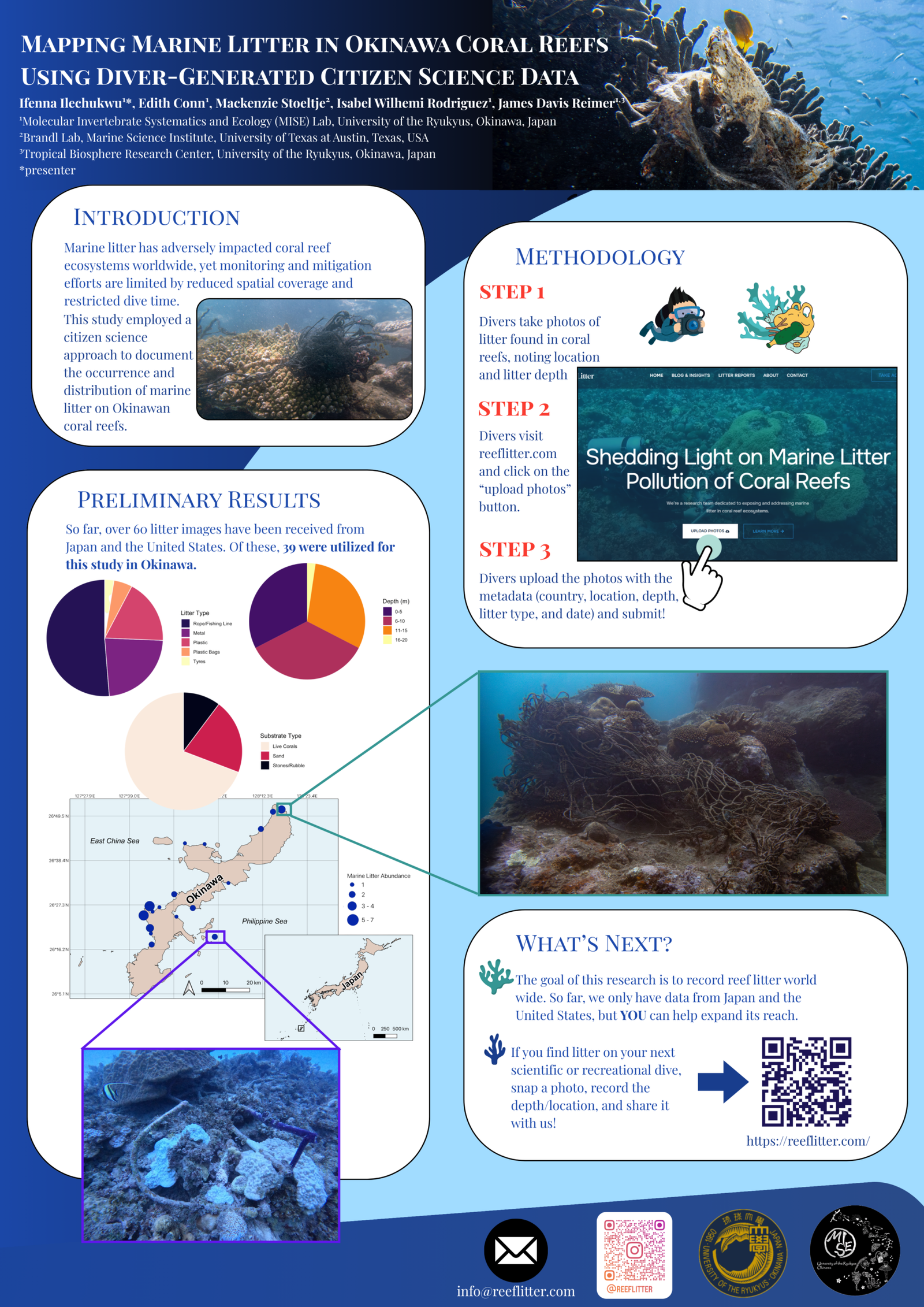
While plastic pollution on beaches and surface waters receives widespread attention, plastic pollution of coral reefs is under-reported, despite the serious [ecotoxicological risks to coral health].
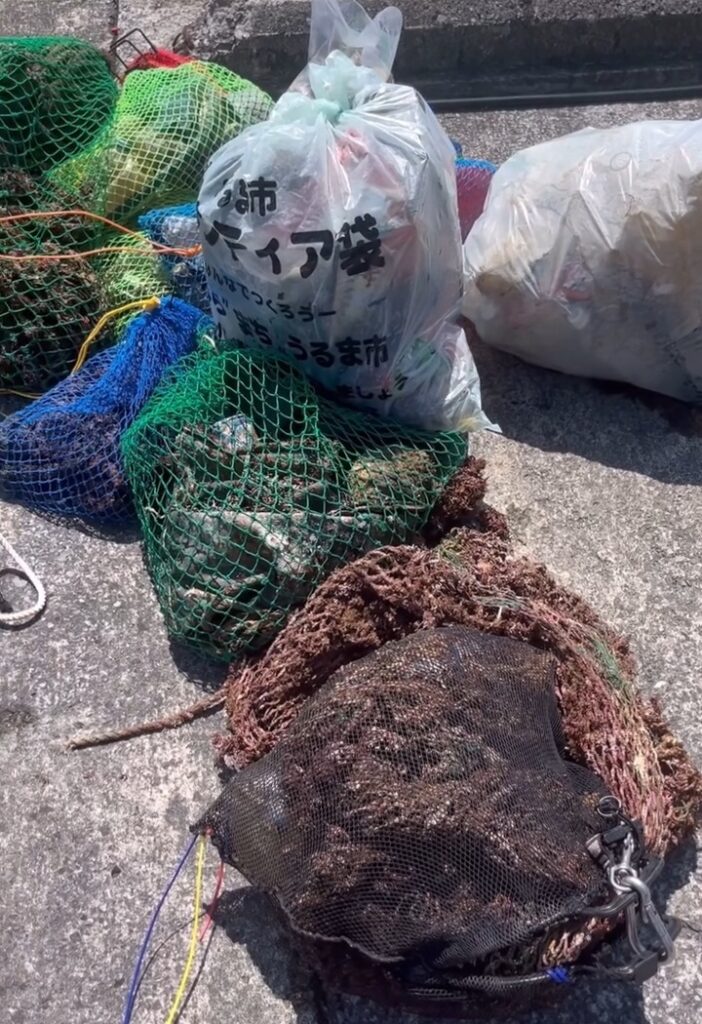
To contribute meaningfully, our lab—led by Professor James D. Reimer—organized a reef cleanup dive in Yona, Okinawa, Japan, on World Environment Day. Eight divers carried out two dives between depths of 6 to 13 meters. In total, we removed approximately 110 pounds (about 50 kg) of marine litter, primarily consisting of PET bottles, ghost nets, and fragmented plastic debris.
Marine litter on coral reefs often goes unnoticed compared to pollution visible on shorelines. We hope that our effort not only helps maintain the reef’s health but also inspires you and divers everywhere to join in protecting our oceans from plastic pollution.